The PCM Commands Fuel
The computer calculates injector pulse width in milliseconds using inputs such as engine load, rpm, temperature, throttle angle, oxygen sensor feedback, manifold pressure, airflow, and fuel trim strategy.
Call Us:
615-946-2079 

The Truth About Misfire Codes
Misfire codes are often misunderstood. The computer knows that a cylinder failed to contribute properly, but it does not automatically know why.
Modern engine computers are incredibly smart, but they are not magic. When a vehicle sets a misfire code, the powertrain control module, often called the PCM or ECM, is not directly watching the spark plug fire, the injector spray fuel, or the intake valve seal perfectly. What it is really watching is crankshaft speed.
The PCM knows what it commanded. It knows injector pulse width, ignition timing, throttle opening, throttle pedal movement, engine speed, intake air temperature, manifold pressure and/or airflow readings, oxygen sensor feedback, fuel trim corrections, and many other inputs. Based on those inputs, it expects each piston to produce an acceleration of the crankshaft compared to the other cylinders.
When a cylinder fires correctly, the piston pushes down on the crankshaft and the crankshaft speeds up slightly. The misfire monitor is designed to watch those tiny crankshaft speed changes. In simple shop language, the system acts a lot like a very fast stopwatch. If the crankshaft does not accelerate the way the computer expects after a cylinder is supposed to fire, the PCM records that event as a possible misfire.
That is why a misfire code is not a parts replacement instruction. It is a clue. The code tells us which cylinder, or group of cylinders, failed to contribute correctly. It does not prove whether the cause was spark, fuel, air, compression, timing, wiring, sensor input, or engine mechanical failure.
How the PCM Sees a Misfire
The computer expected a power contribution. It saw less crankshaft acceleration than expected.
The computer calculates injector pulse width in milliseconds using inputs such as engine load, rpm, temperature, throttle angle, oxygen sensor feedback, manifold pressure, airflow, and fuel trim strategy.
The PCM or ignition module commands spark timing based on operating conditions. It expects the air-fuel mixture to burn and make power at the correct point in crankshaft rotation.
Using the crankshaft position sensor, the PCM watches small changes in crankshaft speed between firing events. A weak cylinder does not accelerate the crankshaft like the other cylinders.
The misfire monitor compares cylinder contribution. It is looking for uneven acceleration. In plain English, it wants to know whether all cylinders are doing their share.
If the crankshaft speed change is outside the expected pattern, the computer can set a misfire code such as P0300, P0301, P0302, P0303, P0304, P0305, P0306, P0307, or P0308.
The code tells us where to look. Testing tells us why it happened. That is where proper diagnosis matters.
Your Explanation, Put Into Diagnostic Terms
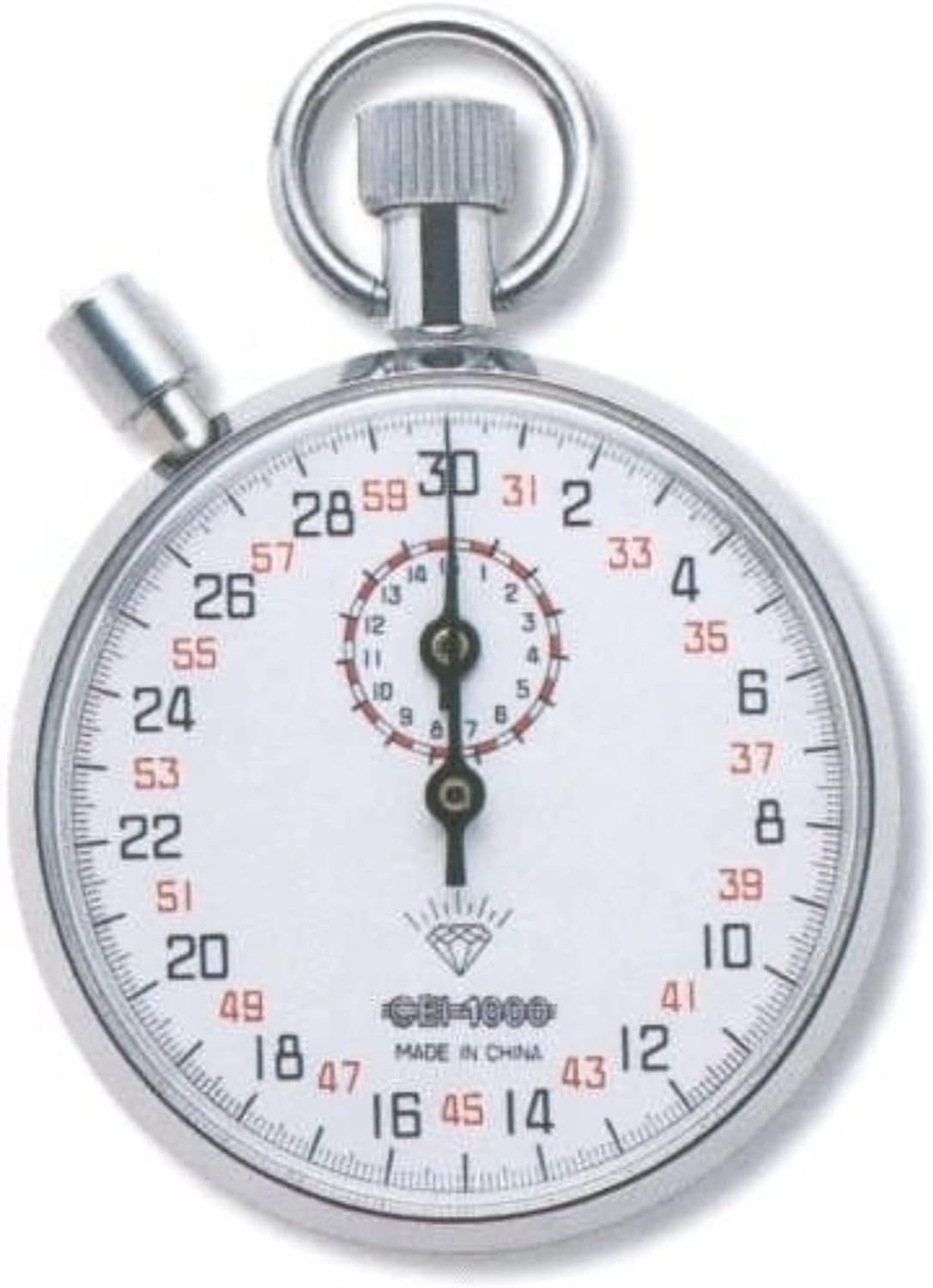
The PCM is not guessing. It is comparing expected crankshaft acceleration against actual crankshaft acceleration.
The PCM knows the conditions it is working with. It sees outside air temperature, intake air temperature, throttle position, throttle pedal position, the rate of throttle movement, manifold vacuum or pressure, rate of vacuum change, current rpm, oxygen sensor feedback, and fuel trim corrections. It also knows how long it commanded each injector to open and when it commanded the spark event.
After all that, the PCM expects the crankshaft to accelerate when each cylinder fires. If cylinder number 1 fires, the crankshaft should speed up slightly. If cylinder number 2 fires, the crankshaft should speed up slightly. The computer keeps comparing those firing events against each other.
If one cylinder does not make the same kind of contribution as the others, the PCM can recognize that uneven crankshaft acceleration. That is the foundation of OBD-II misfire detection.
But here is the part that matters: the PCM does not automatically know why that cylinder failed to contribute. It does not know from the misfire code alone whether the injector delivered the wrong amount of fuel. It does not know whether the spark plug failed to fire correctly. It does not know whether that cylinder had an air leak, weak compression, a valve sealing problem, a wiring fault, or a mechanical issue. It only knows the crankshaft did not accelerate the way it expected after that cylinder was commanded to fire.
This is where the Technicians at Rock Bridge Automotive come in! We're very familiar with these codes. We were actually diagnosing these same problems before vehicles had a code for this! We still diagnose these same problems on older vehicles with carburetors without codes. Unlike a lot of technicians today, we still use the same tools that we did in the old days directly alongside of the new tools available to us. Yes, we have the absolute best in diagnostic equipment available, but in the end it's not the equipment that fixes the vehicle. It's the man or woman running the equipment.
Common Misfire Codes
How Power Is Made
To understand a misfire code, it helps to understand what the engine expected each cylinder to do.
During the intake stroke, the piston moves downward while the intake valve is open. This creates a low-pressure area in the cylinder and draws in the air and fuel mixture the engine needs for combustion.
During the compression stroke, the piston moves upward with the valves closed. The air and fuel mixture is squeezed into a smaller space so it can burn more efficiently when the spark occurs.
Near the top of the compression stroke, the spark plug ignites the mixture. The burning gases expand, push down on the piston, and turn the crankshaft. This is the stroke the PCM expects to see as crankshaft acceleration.
During the exhaust stroke, the piston moves upward again while the exhaust valve is open. The burned gases are pushed out of the cylinder so the next intake stroke can begin.
A complete four-stroke cycle requires intake, compression, power, and exhaust. That takes two full revolutions of the crankshaft. The power stroke is the key to understanding misfire detection because that is when the cylinder should add energy to the crankshaft.
If the PCM commanded fuel and spark, and the cylinder was supposed to make power, the crankshaft should speed up slightly at the right moment. When that expected acceleration is weak, uneven, or missing compared with the other cylinders, the PCM can record a misfire event.
That is why a misfire code does not automatically tell us which part failed. The cylinder may have lost spark, received the wrong amount of fuel, had too much air from a vacuum leak, had poor compression, or failed to seal properly. The PCM knows the cylinder did not contribute correctly. Proper testing tells us why.
The code identifies the misfire pattern. It does not automatically identify the failed part.
P0300 means the PCM detected misfires that are random, moving between cylinders, or affecting more than one cylinder. Causes may include vacuum leaks, fuel pressure problems, ignition problems, airflow issues, timing problems, or engine mechanical concerns.
P0301 points toward cylinder 1 contribution. That cylinder may have a spark issue, fuel issue, air leak, compression issue, wiring problem, injector issue, or mechanical problem.
P0302 means the computer detected a misfire pattern on cylinder 2. The diagnosis still has to prove whether the cause is ignition, fuel, air, compression, or control related.
P0303 points to cylinder 3. Swapping parts without testing may move the problem, hide the problem, or waste money if the real issue is wiring, compression, vacuum, or fuel related.
P0304 means cylinder 4 did not contribute properly. The code does not prove the coil, plug, injector, valve, or PCM is bad. Testing has to prove the cause.
Six- and eight-cylinder engines may also set P0305, P0306, P0307, or P0308. The same diagnostic rule applies: the code points to the cylinder, not automatically to the part.
Why Guessing Gets Expensive
Many misfire problems get expensive because someone sees a P0301 or P0304 and immediately installs a spark plug or ignition coil. Sometimes that works. Many times it does not. A cylinder misfire can be caused by a weak spark plug, bad coil, damaged plug wire, leaking injector, restricted injector, vacuum leak, intake gasket leak, low compression, valve problem, cam timing issue, damaged connector, bad ground, fuel pressure issue, or incorrect sensor data.
For example, an oxygen sensor may report a lean condition because a cylinder is misfiring. That does not mean the oxygen sensor caused the misfire. A fuel trim may go positive because unmetered air is entering one cylinder. That does not mean the mass airflow sensor is bad. A coil code may set because the control circuit has a wiring problem. That does not mean the coil is the cause.
Rock Bridge Automotive Repair diagnoses the cause before replacing parts. We look at the code, freeze-frame data, misfire counters, fuel trims, ignition patterns, injector control, compression, vacuum, wiring, and mechanical condition when needed.
Misfire Causes
Spark plugs, ignition coils, plug wires, coil boots, ignition drivers, wiring, grounds, and power feeds can all cause misfires. The ignition system has to be tested under the conditions where the misfire happens.
An injector may be restricted, leaking, electrically open, electrically shorted, mechanically sticking, or commanded incorrectly because of a circuit issue. Injector pulse width alone does not prove fuel actually entered the cylinder correctly.
A vacuum leak near one intake runner can make one cylinder run lean. Intake gasket leaks, cracked hoses, PCV problems, and unmetered air leaks can all create misfire symptoms.
Burned valves, worn rings, head gasket issues, camshaft problems, lifter issues, and timing problems can cause a cylinder to fail even when spark and fuel are present.
The PCM makes decisions based on sensor information. Incorrect airflow, manifold pressure, temperature, throttle, oxygen sensor, crankshaft, or camshaft data can lead the system in the wrong direction.
A loose terminal, corroded connector, rubbed-through wire, bad ground, or unstable power feed can make a good part act bad. Electrical testing is often the difference between a real repair and wasted parts.
Flashing Check Engine Light
If the check engine light is flashing, the vehicle may have a severe misfire. That can allow unburned fuel and oxygen into the exhaust. When that mixture reaches the catalytic converter, converter temperature can rise quickly and cause expensive damage.
A flashing check engine light, shaking engine, raw fuel smell, loss of power, or rough idle should be taken seriously. Continuing to drive with a severe misfire can turn a repairable engine problem into a damaged catalytic converter, damaged oxygen sensors, or other related repairs.
If your vehicle is misfiring near Gallatin, Bethpage, Portland, Castalian Springs, or anywhere in Sumner County, call Rock Bridge Automotive Repair and let us help you decide the safest next step.
Related Diagnostic Services
Learn why a check engine light needs testing instead of guessing.
General diagnostic testing for drivability problems, warning lights, and performance complaints.
Wiring, sensor, connector, ground, module, and electrical testing for modern vehicles.
Spark plugs, ignition coils, maintenance-related misfires, and engine performance service.
Questions and Answers
No. P0301 means the computer detected a misfire on cylinder 1. The cause could be ignition, fuel, air, compression, wiring, or mechanical.
No. P0300 means random or multiple-cylinder misfire activity was detected. It can be caused by something that affects the whole engine, such as fuel pressure, vacuum leaks, airflow measurement, timing, or ignition control.
Yes. An intake leak near one cylinder can create a lean condition in that cylinder and cause a misfire code.
Yes. A restricted, leaking, sticking, or electrically faulty injector can cause a misfire. The injector circuit and fuel delivery have to be tested before condemning the part.
Yes. If a cylinder cannot seal or make proper pressure, it may fail to accelerate the crankshaft correctly even when spark and fuel are present.
No. Clearing codes can erase freeze-frame and misfire information that may help diagnose the vehicle. It is usually better to leave the information stored until the vehicle is checked.
Technical References
The idea that OBD-II misfire detection watches crankshaft speed variation is well established in automotive diagnostic and engineering references.
Bethpage, Gallatin, Portland & Castalian Springs
If your vehicle has a P0300, P0301, P0302, P0303, P0304, or other misfire code, let Rock Bridge Automotive Repair find the real cause before parts get replaced unnecessarily.
Brands We Service












© Copyright 2026, Rock Bridge Automotive Repair | Honoring America’s 250th Anniversary